Play and Creative Arts Therapy
Play is a child's natural way of communicating. While adults often use words to express their thoughts and feelings, children are more likely to communicate through play, creativity and imagination. Play Therapy provides a safe, supportive environment where children can explore difficult emotions and experiences in ways that feel comfortable and natural to them.
Using creative approaches such as art, sand, storytelling, music, movement and imaginative play, a qualified Play Therapist helps children understand their emotions, build resilience and develop the confidence and skills to thrive. Rather than focusing solely on a child's behaviour, Play Therapy looks beyond what we see on the surface. Behaviour is often a form of communication—a symptom of deeper emotions, unmet needs or difficult experiences. By gently exploring the underlying reasons behind a child's behaviour, therapy supports healing, emotional growth and lasting positive change.
Play Therapy can support children who are experiencing anxiety, trauma, bereavement, family changes, low self-esteem, emotional regulation difficulties, school-related challenges, social difficulties, bullying and many other emotional or behavioural concerns.
Every child is unique, and therapy is tailored to their individual needs, helping them feel safe, understood and empowered to thrive.
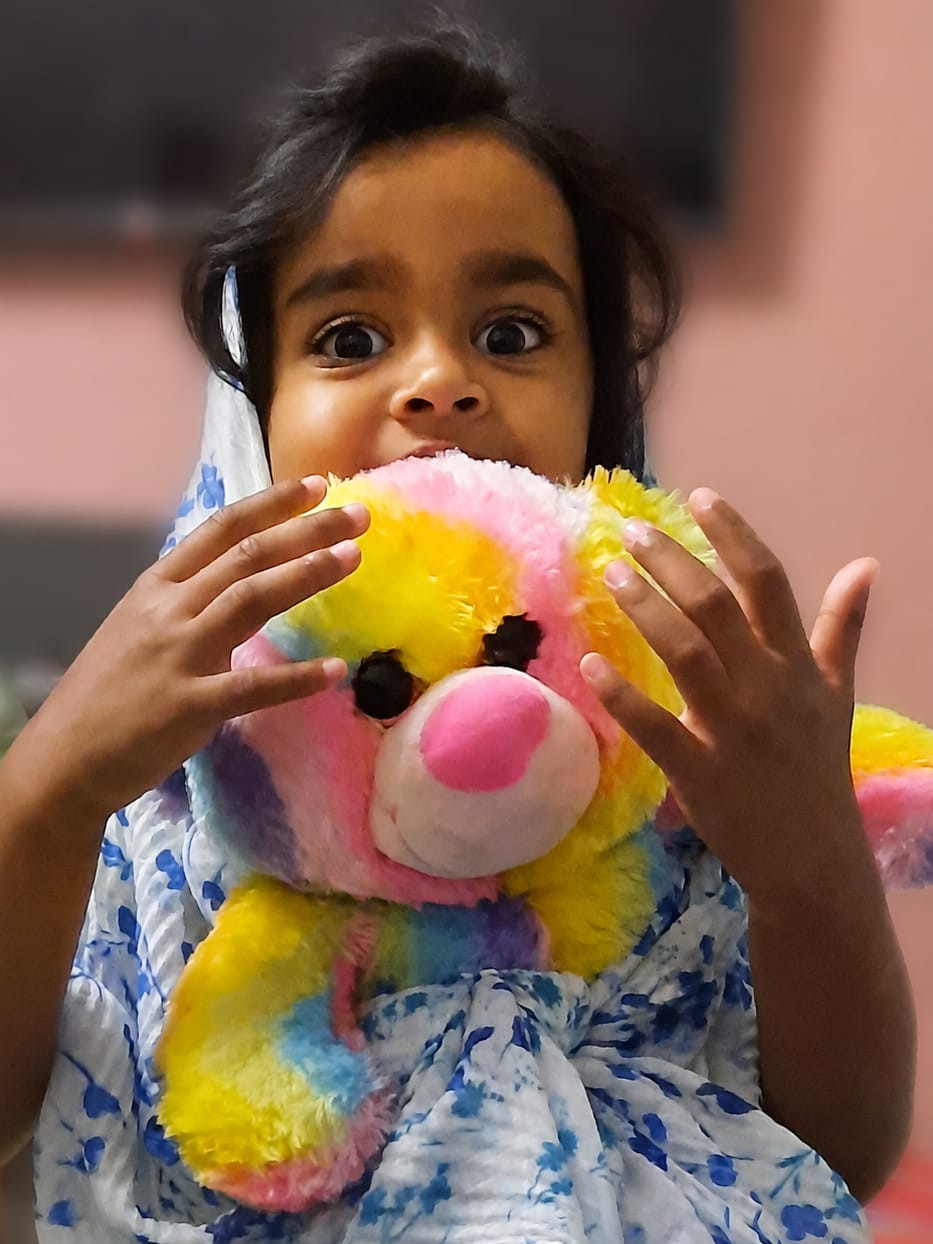
.jpeg)


Could Play Therapy Help Your Child?
Every child experiences challenges differently. If you recognise any of the following, Play Therapy may offer your child a safe and supportive space to explore their thoughts, feelings and experiences.
Your child may be experiencing:
-
Anxiety, worries or frequent fears
-
Low confidence or self-esteem
-
Difficulty managing emotions or angry outbursts
-
Withdrawal from family, friends or activities they once enjoyed
-
Difficulties making or maintaining friendships
-
Challenges with social communication or social situations
-
Bullying or difficulties at school
-
School avoidance or reluctance to attend school
-
Bereavement or loss
-
Family separation, divorce or significant family changes
-
Trauma or adverse childhood experiences
-
Difficulties following domestic abuse or other harmful experiences
-
Sleep difficulties, nightmares or night-time anxiety
-
Long-term illness or chronic pain
-
Behavioural or emotional regulation difficulties
-
Low motivation or loss of interest in activities
-
Excessive screen use affecting communication or relationships
-
Neurodivergent needs where additional emotional support may be beneficial
-
You feel something isn't quite right, but you're unsure why
As a parent or carer, you may be feeling:
-
I find it difficult to understand my child's emotional needs.
-
I'm unsure how best to support or communicate with my child.
-
My child seems different, and I'm worried about their wellbeing.
-
We've been through a difficult time as a family and my child is struggling.
-
I know my child needs support, but I don't know where to start.
If you haven't found your child's experiences listed above, please don't worry. Every child is unique, and Play Therapy can support a wide range of emotional, behavioural and social challenges.
If you'd like to explore whether Play Therapy is right for your child, we'd be happy to arrange a confidential conversation with you.
Young People's Therapy
Adolescence can be a time of significant change, bringing new challenges, emotions and pressures. Young People's Therapy offers a safe, confidential and non-judgemental space where young people can talk openly, explore their thoughts and feelings, and develop a greater understanding of themselves.
Our therapists work collaboratively with each young person, adapting sessions to suit their individual needs and preferences. Therapy may involve talking, creative approaches or a combination of both, helping young people feel comfortable expressing themselves in a way that feels right for them.
Young People's Therapy can support a wide range of emotional and mental health concerns, including anxiety, low mood, stress, low self-esteem, friendship and relationship difficulties, bullying, school or college pressures, identity, neurodivergence, grief, trauma and life transitions.
Our aim is to help young people build resilience, strengthen emotional wellbeing, develop healthy coping strategies, gain confidence and thrive as they navigate adolescence and move towards adulthood.